Buy coreshop.eu ?
We are moving the project
coreshop.eu .
Are you interested in purchasing the domain
coreshop.eu ?
domain@kv-gmbh.de · 0541-91531010
Buy coreshop.eu ?
How can one cut a bearing, if one has a two-way bearing without bearing force?
If one has a two-way bearing without bearing force, it can be cut by using a cutting tool such as a saw or a grinder. The cutting tool should be used to carefully cut through the outer ring of the bearing, being cautious not to damage the inner components. It is important to wear protective gear and work in a well-ventilated area when cutting a bearing to ensure safety. Additionally, it may be helpful to seek guidance from a professional or refer to the manufacturer's instructions for specific guidance on cutting the particular type of bearing. **
Can brake fluid leak from the clutch release bearing or the throw-out bearing, even though they are clutch components?
Yes, brake fluid can leak from the clutch release bearing or the throw-out bearing, even though they are clutch components. This is because the clutch release bearing and the throw-out bearing are in close proximity to the hydraulic clutch system, which uses brake fluid to transfer force from the clutch pedal to the clutch mechanism. If there is a leak in the hydraulic system, it can cause brake fluid to come into contact with the clutch release bearing or the throw-out bearing, leading to a leak. It is important to address any leaks in the hydraulic clutch system to prevent damage to the clutch components. **

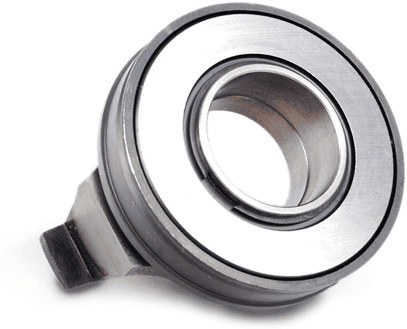
Similar search terms for One-Way-Bearing-Clutch
Top-Angebote
Products related to One-Way-Bearing-Clutch:
-
RIDEX 48R0012 Clutch release bearingVehicle Identification Number (VIN) from: A521684, F655710, A508036, F640695; Construction Year from: 09/1989; Engine Code: OM605.910, OM605.911, OM601, OM602, M111.920, M111.921, OM602LA, M111.979, M111.948, M111.978, M111.945, 111.975, 103.987, 117.965, AUH,BCQ, AUH, ATA, AGK, OM 602LA DE, OM602DE LA, OM602 LA DE; Transmission number from: 717.412 6 411744; Vehicle Equipment: for vehicles with air conditioning; Vehicle type: 601.467, 461.328/329/337/338, 341/367/368, 638.114, 638.234, 638.134, 638.214, 638.014, 638.034, 667.321-323, 667.351-353, 668.321-323, 668.331, 668.332, 668.351-353; Transmission Code: 711.116/117, 717 465, 717.445, 717; Engine Features/Arrangement: for engines with dual-mass flywheel, for engines without dual-mass flywheel; Vehicle Identification Number (VIN) to: A962231, X027613; Transmission Type: Manual Transmission, 5-Speed Manual Transmission; Construction Year to: 08/1993; Manufacturer Restriction: SA 504097/03, SA 504096/0310,49 £*Shipping: 8,45 £Secure redirect to the provider


-
Should one use an industrial bearing or a cone bearing for a bicycle?
For a bicycle, it is generally recommended to use cone bearings. Cone bearings are more commonly used in bicycle hubs and bottom brackets because they are easier to adjust and maintain. They also provide a smoother and more efficient rotation for the wheels and pedals. Industrial bearings, on the other hand, are designed for heavier loads and higher speeds, which are not typically necessary for a bicycle application. Therefore, cone bearings are the more suitable choice for a bicycle. **
-
Should one choose a high gear or press the clutch when driving downhill?
When driving downhill, it is generally recommended to choose a lower gear rather than pressing the clutch. This is because using a lower gear helps to control the speed of the vehicle and reduces the strain on the brakes. Pressing the clutch while driving downhill can lead to loss of control over the vehicle and can be dangerous, especially on steep slopes. It is important to use engine braking by selecting an appropriate gear to safely navigate downhill descents. **
-
Should one choose a high gear or press the clutch when going downhill?
When going downhill, it is generally recommended to choose a lower gear rather than pressing the clutch. This helps in maintaining control over the vehicle's speed and reduces the risk of losing control. Using a lower gear also helps in utilizing engine braking, which can prevent the brakes from overheating. Pressing the clutch while going downhill can lead to freewheeling, which can be dangerous and cause the vehicle to pick up speed uncontrollably. **
-
How can one replace a load-bearing support?
Replacing a load-bearing support is a complex and potentially dangerous task that should be done by a professional contractor or structural engineer. The process typically involves temporarily supporting the load with jacks or other means, removing the existing support, and then installing a new support in its place. It is crucial to ensure that the new support is properly sized and installed to bear the weight of the structure safely. Additionally, local building codes and regulations should be followed to ensure the structural integrity of the building. **


How can one move a load-bearing wall?
Moving a load-bearing wall is a complex and potentially dangerous task that should only be attempted by a professional contractor or structural engineer. The process typically involves temporarily supporting the load above the wall with beams or columns, then carefully removing and relocating the wall to its new position. It is crucial to ensure that the new support system can adequately bear the load previously carried by the wall. Additionally, local building codes and regulations must be followed to ensure the structural integrity and safety of the building. **
How can one kill a load-bearing wall?
To kill a load-bearing wall, it is important to first consult with a structural engineer or a professional contractor to determine the best course of action. The process typically involves temporarily supporting the load that the wall is bearing, often with the use of temporary beams or columns. Once the load is supported, the wall can be safely removed, and any necessary structural reinforcements can be put in place to ensure the integrity of the building. It is crucial to follow proper safety protocols and obtain any necessary permits before attempting to remove a load-bearing wall. **
Top-Angebote
Products related to One-Way-Bearing-Clutch:
-
MAPCO 12552 Clutch release bearingOperating Mode: mechanical; Vehicle type: ST165, CT195, ST195, AE95, AE103, ST205, SW20, CT198, ACM20; Construction Year from: 01/1990, 08/1992, 05/1995, 09/1990, 06/2001; Construction Year to: 06/1995, 08/1995, 06/1996, 12/2012, 07/2001, 07/2005, 01/2006, 03/2008; Engine Code: 3SG-TE; TecDoc Engine Number: 3798, 3820, 3854, 3747; Camshaft: DOHC6,29 £*Shipping: 8,45 £Secure redirect to the provider
-
How can one cut a bearing, if one has a two-way bearing without bearing force?
If one has a two-way bearing without bearing force, it can be cut by using a cutting tool such as a saw or a grinder. The cutting tool should be used to carefully cut through the outer ring of the bearing, being cautious not to damage the inner components. It is important to wear protective gear and work in a well-ventilated area when cutting a bearing to ensure safety. Additionally, it may be helpful to seek guidance from a professional or refer to the manufacturer's instructions for specific guidance on cutting the particular type of bearing. **
-
Can brake fluid leak from the clutch release bearing or the throw-out bearing, even though they are clutch components?
Yes, brake fluid can leak from the clutch release bearing or the throw-out bearing, even though they are clutch components. This is because the clutch release bearing and the throw-out bearing are in close proximity to the hydraulic clutch system, which uses brake fluid to transfer force from the clutch pedal to the clutch mechanism. If there is a leak in the hydraulic system, it can cause brake fluid to come into contact with the clutch release bearing or the throw-out bearing, leading to a leak. It is important to address any leaks in the hydraulic clutch system to prevent damage to the clutch components. **
-
Should one use an industrial bearing or a cone bearing for a bicycle?
For a bicycle, it is generally recommended to use cone bearings. Cone bearings are more commonly used in bicycle hubs and bottom brackets because they are easier to adjust and maintain. They also provide a smoother and more efficient rotation for the wheels and pedals. Industrial bearings, on the other hand, are designed for heavier loads and higher speeds, which are not typically necessary for a bicycle application. Therefore, cone bearings are the more suitable choice for a bicycle. **
-
Should one choose a high gear or press the clutch when driving downhill?
When driving downhill, it is generally recommended to choose a lower gear rather than pressing the clutch. This is because using a lower gear helps to control the speed of the vehicle and reduces the strain on the brakes. Pressing the clutch while driving downhill can lead to loss of control over the vehicle and can be dangerous, especially on steep slopes. It is important to use engine braking by selecting an appropriate gear to safely navigate downhill descents. **
Similar search terms for One-Way-Bearing-Clutch
-
RIDEX 48R0012 Clutch release bearingVehicle Identification Number (VIN) from: A521684, F655710, A508036, F640695; Construction Year from: 09/1989; Engine Code: OM605.910, OM605.911, OM601, OM602, M111.920, M111.921, OM602LA, M111.979, M111.948, M111.978, M111.945, 111.975, 103.987, 117.965, AUH,BCQ, AUH, ATA, AGK, OM 602LA DE, OM602DE LA, OM602 LA DE; Transmission number from: 717.412 6 411744; Vehicle Equipment: for vehicles with air conditioning; Vehicle type: 601.467, 461.328/329/337/338, 341/367/368, 638.114, 638.234, 638.134, 638.214, 638.014, 638.034, 667.321-323, 667.351-353, 668.321-323, 668.331, 668.332, 668.351-353; Transmission Code: 711.116/117, 717 465, 717.445, 717; Engine Features/Arrangement: for engines with dual-mass flywheel, for engines without dual-mass flywheel; Vehicle Identification Number (VIN) to: A962231, X027613; Transmission Type: Manual Transmission, 5-Speed Manual Transmission; Construction Year to: 08/1993; Manufacturer Restriction: SA 504097/03, SA 504096/0310,49 £*Shipping: 8,45 £Secure redirect to the provider
-
KAWE 989357 Clutch release bearingParameter: HK; Vehicle Identification Number (VIN) from: A521684, F655710, A508036, F640695, B 065854, F 122359; Construction Year from: 09/1989, 03/2003; TecDoc Engine Number: 2229, 2131, 5235, 2133, 5236, 5241, 4667, 20509, 16450; Vehicle Equipment: for vehicles with air conditioning; Transmission number from: 717.412 6 411744; Engine Code: OM601, OM602, OM 602LA DE; Vehicle type: 601.467, 461.328/329/337/338, 341/367/368, 463.324/325, 667.321-323, 667.351-353, 668.321-323, 668.331, 668.332, 668.351-353, 670.321-324, 670.331, 670.332, 670.351-353; Construction Year to: 10/1988; Transmission Code: 711.116/117, 717 465, 717.445, 717; Engine Features/Arrangement: for engines with dual-mass flywheel; Vehicle Identification Number (VIN) to: A962231, X027613, A 962231; Transmission Type: 5-Speed Manual Transmission; Manufacturer Restriction: SA 504097/03, SA 504096/036,59 £*Shipping: 8,45 £Secure redirect to the provider
-
Should one choose a high gear or press the clutch when going downhill?
When going downhill, it is generally recommended to choose a lower gear rather than pressing the clutch. This helps in maintaining control over the vehicle's speed and reduces the risk of losing control. Using a lower gear also helps in utilizing engine braking, which can prevent the brakes from overheating. Pressing the clutch while going downhill can lead to freewheeling, which can be dangerous and cause the vehicle to pick up speed uncontrollably. **
-
How can one replace a load-bearing support?
Replacing a load-bearing support is a complex and potentially dangerous task that should be done by a professional contractor or structural engineer. The process typically involves temporarily supporting the load with jacks or other means, removing the existing support, and then installing a new support in its place. It is crucial to ensure that the new support is properly sized and installed to bear the weight of the structure safely. Additionally, local building codes and regulations should be followed to ensure the structural integrity of the building. **
-
How can one move a load-bearing wall?
Moving a load-bearing wall is a complex and potentially dangerous task that should only be attempted by a professional contractor or structural engineer. The process typically involves temporarily supporting the load above the wall with beams or columns, then carefully removing and relocating the wall to its new position. It is crucial to ensure that the new support system can adequately bear the load previously carried by the wall. Additionally, local building codes and regulations must be followed to ensure the structural integrity and safety of the building. **
-
How can one kill a load-bearing wall?
To kill a load-bearing wall, it is important to first consult with a structural engineer or a professional contractor to determine the best course of action. The process typically involves temporarily supporting the load that the wall is bearing, often with the use of temporary beams or columns. Once the load is supported, the wall can be safely removed, and any necessary structural reinforcements can be put in place to ensure the integrity of the building. It is crucial to follow proper safety protocols and obtain any necessary permits before attempting to remove a load-bearing wall. **
* All prices are inclusive of VAT and, if applicable, plus shipping costs. The offer information is based on the details provided by the respective shop and is updated through automated processes. Real-time updates do not occur, so deviations can occur in individual cases. ** Note: Parts of this content were created by AI.