Buy coreshop.eu ?
We are moving the project
coreshop.eu .
Are you interested in purchasing the domain
coreshop.eu ?
domain@kv-gmbh.de · 0541-91531010
Buy coreshop.eu ?
What is aluminum oxide?
Aluminum oxide is a compound made up of aluminum and oxygen atoms in a 2:3 ratio. It is a white, powdery substance that occurs naturally in the form of the mineral corundum. Aluminum oxide is commonly used in various industrial applications, such as in the production of ceramics, abrasives, and refractory materials. It is also used as a catalyst in chemical reactions and as a filler in some types of cosmetics. **
How is aluminum extracted from aluminum oxide?
Aluminum is extracted from aluminum oxide through a process called electrolysis. In this process, aluminum oxide is dissolved in molten cryolite, which lowers its melting point and allows it to conduct electricity. Then, a direct current is passed through the molten aluminum oxide, causing the aluminum ions to migrate to the cathode, where they are reduced to form aluminum metal. The oxygen ions migrate to the anode, where they combine to form oxygen gas. This process is energy-intensive but allows for the extraction of pure aluminum from aluminum oxide. **


Similar search terms for ATMDENT-Aluminum-Oxide-Dental
Top-Angebote
Products related to ATMDENT-Aluminum-Oxide-Dental:
-
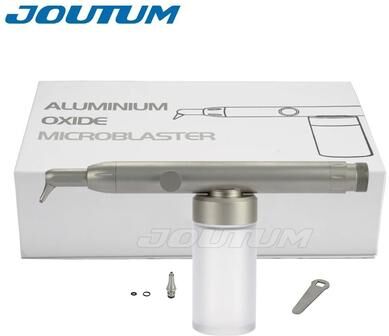
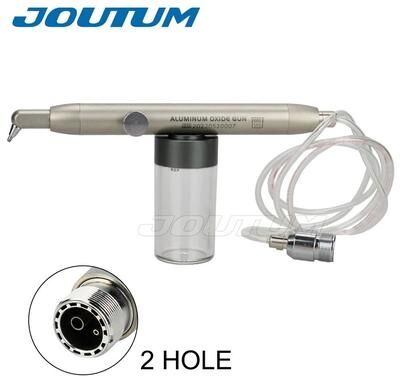
ATMDENT Aluminum Oxide Dental Microetcher Air Abrasion Tool with Water 2 HolesAchieve precise surface preparation with this professional grade dental microetcher. Designed for controlled application, this aluminum oxide micro blaster delivers consistent air abrasion for effective cleaning and surface conditioning. Built for...235,49 $*Shipping: 0,00 $Secure redirect to the provider
-
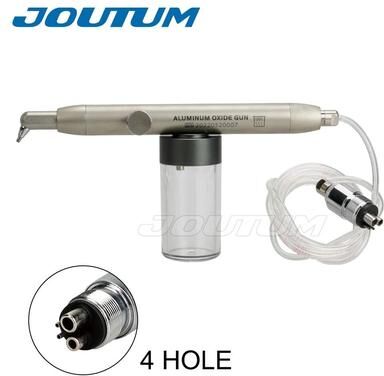
Uplift Picks ATMDENT Aluminum Oxide Dental Microetcher Air Abrasion Tool no Water 4 HolesAchieve precise surface preparation with this professional grade dental microetcher. Designed for controlled application, this aluminum oxide micro blaster delivers consistent air abrasion for effective cleaning and surface conditioning. Built for...221,49 $*Shipping: 0,00 $Secure redirect to the provider
-
Uplift Picks ATMDENT Aluminum Oxide Dental Microetcher Air Abrasion Tool with Water 2 HolesAchieve precise surface preparation with this professional grade dental microetcher. Designed for controlled application, this aluminum oxide micro blaster delivers consistent air abrasion for effective cleaning and surface conditioning. Built for...235,49 $*Shipping: 0,00 $Secure redirect to the provider
-
Uplift Picks ATMDENT Aluminum Oxide Dental Microetcher Air Abrasion Tool with Water 4 HolesAchieve precise surface preparation with this professional grade dental microetcher. Designed for controlled application, this aluminum oxide micro blaster delivers consistent air abrasion for effective cleaning and surface conditioning. Built for...235,49 $*Shipping: 0,00 $Secure redirect to the provider


-
How can one extract aluminum from aluminum oxide?
Aluminum can be extracted from aluminum oxide through a process called electrolysis. In this process, aluminum oxide is dissolved in molten cryolite, which lowers the melting point of the mixture. Then, an electric current is passed through the molten mixture, causing the aluminum oxide to break down into its elements. The aluminum ions are attracted to the negative electrode (cathode) and are reduced to form aluminum metal, while the oxygen ions are attracted to the positive electrode (anode) and are oxidized to form oxygen gas. This process allows for the extraction of pure aluminum from aluminum oxide. **
-
How do you calculate aluminum atoms and aluminum oxide?
To calculate the number of aluminum atoms in a sample of aluminum, you would first determine the mass of the sample in grams. Then, you would convert this mass to moles using the molar mass of aluminum. Finally, you would use Avogadro's number (6.022 x 10^23) to convert moles of aluminum to atoms. To calculate the number of aluminum oxide molecules, you would follow a similar process. First, determine the mass of the sample in grams and convert it to moles using the molar mass of aluminum oxide. Then, use Avogadro's number to convert moles of aluminum oxide to molecules. Remember that aluminum oxide has the chemical formula Al2O3, so you would need to account for the number of aluminum and oxygen atoms in each molecule. **
-
Why is aluminum oxide an ion?
Aluminum oxide is an ion because it is formed when aluminum, a metal, reacts with oxygen, a non-metal. In this reaction, aluminum loses three electrons to form a positively charged ion (Al3+), while oxygen gains two electrons to form a negatively charged ion (O2-). These ions are then attracted to each other through electrostatic forces to form the ionic compound aluminum oxide (Al2O3). **
-
Why can't one obtain aluminum from aluminum oxide and iron?
One cannot obtain aluminum from aluminum oxide and iron because aluminum is more reactive than iron. When aluminum oxide and iron are heated together, the aluminum oxide will react with the iron to form aluminum and iron oxide. However, the aluminum formed will immediately react with the oxygen in the air to form aluminum oxide again, preventing the extraction of pure aluminum. Therefore, a different method, such as the electrolysis of aluminum oxide, is used to obtain aluminum from its ore. **
Why is the melting point of aluminum oxide lower than that of calcium oxide and magnesium oxide?
The melting point of a compound is influenced by the strength of the bonds between the atoms within the compound. In the case of aluminum oxide, the bond between aluminum and oxygen is not as strong as the bonds in calcium oxide and magnesium oxide due to the difference in electronegativity between the elements. This weaker bond in aluminum oxide results in a lower melting point compared to calcium oxide and magnesium oxide, where the stronger bonds require more energy to break and melt the compounds. **
How does the electrolysis of aluminum oxide work?
The electrolysis of aluminum oxide involves passing an electric current through a molten mixture of aluminum oxide (Al2O3) and cryolite (Na3AlF6) at high temperatures. The electric current causes the aluminum oxide to break down into its constituent elements, aluminum and oxygen. The oxygen ions are attracted to the anode, where they combine to form oxygen gas, while the aluminum ions are attracted to the cathode, where they are reduced to form liquid aluminum metal. This process allows for the extraction of pure aluminum from its ore through the use of electrolysis. **
Top-Angebote
Products related to ATMDENT-Aluminum-Oxide-Dental:
-
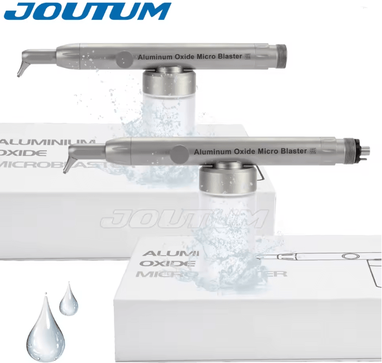
ATMDENT Aluminum Oxide Dental Microetcher Air Abrasion Tool with Water 4 HolesAchieve precise surface preparation with this professional grade dental microetcher. Designed for controlled application, this aluminum oxide micro blaster delivers consistent air abrasion for effective cleaning and surface conditioning. Built for...235,49 $*Shipping: 0,00 $Secure redirect to the provider
-
ProJet Aluminum Oxide Micro Blaster Dental Handpiece dDeliver professional precision and flawless surface preparation with the ProJet Aluminum Oxide Micro Blaster Dental Handpiece. Designed for dentists who value control, accuracy, and efficiency, this dental micro blaster uses a fine stream of...127,48 $*Shipping: 0,00 $Secure redirect to the provider
-
ATMDENT Aluminum Oxide Dental Microetcher Air Abrasion Tool with Water 2 HolesAchieve precise surface preparation with this professional grade dental microetcher. Designed for controlled application, this aluminum oxide micro blaster delivers consistent air abrasion for effective cleaning and surface conditioning. Built for...235,49 $*Shipping: 0,00 $Secure redirect to the provider
-
Uplift Picks ATMDENT Aluminum Oxide Dental Microetcher Air Abrasion Tool no Water 4 HolesAchieve precise surface preparation with this professional grade dental microetcher. Designed for controlled application, this aluminum oxide micro blaster delivers consistent air abrasion for effective cleaning and surface conditioning. Built for...221,49 $*Shipping: 0,00 $Secure redirect to the provider
-
What is aluminum oxide?
Aluminum oxide is a compound made up of aluminum and oxygen atoms in a 2:3 ratio. It is a white, powdery substance that occurs naturally in the form of the mineral corundum. Aluminum oxide is commonly used in various industrial applications, such as in the production of ceramics, abrasives, and refractory materials. It is also used as a catalyst in chemical reactions and as a filler in some types of cosmetics. **
-
How is aluminum extracted from aluminum oxide?
Aluminum is extracted from aluminum oxide through a process called electrolysis. In this process, aluminum oxide is dissolved in molten cryolite, which lowers its melting point and allows it to conduct electricity. Then, a direct current is passed through the molten aluminum oxide, causing the aluminum ions to migrate to the cathode, where they are reduced to form aluminum metal. The oxygen ions migrate to the anode, where they combine to form oxygen gas. This process is energy-intensive but allows for the extraction of pure aluminum from aluminum oxide. **
-
How can one extract aluminum from aluminum oxide?
Aluminum can be extracted from aluminum oxide through a process called electrolysis. In this process, aluminum oxide is dissolved in molten cryolite, which lowers the melting point of the mixture. Then, an electric current is passed through the molten mixture, causing the aluminum oxide to break down into its elements. The aluminum ions are attracted to the negative electrode (cathode) and are reduced to form aluminum metal, while the oxygen ions are attracted to the positive electrode (anode) and are oxidized to form oxygen gas. This process allows for the extraction of pure aluminum from aluminum oxide. **
-
How do you calculate aluminum atoms and aluminum oxide?
To calculate the number of aluminum atoms in a sample of aluminum, you would first determine the mass of the sample in grams. Then, you would convert this mass to moles using the molar mass of aluminum. Finally, you would use Avogadro's number (6.022 x 10^23) to convert moles of aluminum to atoms. To calculate the number of aluminum oxide molecules, you would follow a similar process. First, determine the mass of the sample in grams and convert it to moles using the molar mass of aluminum oxide. Then, use Avogadro's number to convert moles of aluminum oxide to molecules. Remember that aluminum oxide has the chemical formula Al2O3, so you would need to account for the number of aluminum and oxygen atoms in each molecule. **
Similar search terms for ATMDENT-Aluminum-Oxide-Dental
-
Uplift Picks ATMDENT Aluminum Oxide Dental Microetcher Air Abrasion Tool with Water 2 HolesAchieve precise surface preparation with this professional grade dental microetcher. Designed for controlled application, this aluminum oxide micro blaster delivers consistent air abrasion for effective cleaning and surface conditioning. Built for...235,49 $*Shipping: 0,00 $Secure redirect to the provider
-
Uplift Picks ATMDENT Aluminum Oxide Dental Microetcher Air Abrasion Tool with Water 4 HolesAchieve precise surface preparation with this professional grade dental microetcher. Designed for controlled application, this aluminum oxide micro blaster delivers consistent air abrasion for effective cleaning and surface conditioning. Built for...235,49 $*Shipping: 0,00 $Secure redirect to the provider
-
Uplift Picks ATMDENT Aluminum Oxide Dental Microetcher Air Abrasion Tool no Water 2 HolesAchieve precise surface preparation with this professional grade dental microetcher. Designed for controlled application, this aluminum oxide micro blaster delivers consistent air abrasion for effective cleaning and surface conditioning. Built for...235,49 $*Shipping: 0,00 $Secure redirect to the provider
-
Inspire Essentials ProJet Aluminum Oxide Micro Blaster Dental Handpiece aDeliver professional precision and flawless surface preparation with the ProJet Aluminum Oxide Micro Blaster Dental Handpiece. Designed for dentists who value control, accuracy, and efficiency, this dental micro blaster uses a fine stream of...127,48 $*Shipping: 0,00 $Secure redirect to the provider
-
Why is aluminum oxide an ion?
Aluminum oxide is an ion because it is formed when aluminum, a metal, reacts with oxygen, a non-metal. In this reaction, aluminum loses three electrons to form a positively charged ion (Al3+), while oxygen gains two electrons to form a negatively charged ion (O2-). These ions are then attracted to each other through electrostatic forces to form the ionic compound aluminum oxide (Al2O3). **
-
Why can't one obtain aluminum from aluminum oxide and iron?
One cannot obtain aluminum from aluminum oxide and iron because aluminum is more reactive than iron. When aluminum oxide and iron are heated together, the aluminum oxide will react with the iron to form aluminum and iron oxide. However, the aluminum formed will immediately react with the oxygen in the air to form aluminum oxide again, preventing the extraction of pure aluminum. Therefore, a different method, such as the electrolysis of aluminum oxide, is used to obtain aluminum from its ore. **
-
Why is the melting point of aluminum oxide lower than that of calcium oxide and magnesium oxide?
The melting point of a compound is influenced by the strength of the bonds between the atoms within the compound. In the case of aluminum oxide, the bond between aluminum and oxygen is not as strong as the bonds in calcium oxide and magnesium oxide due to the difference in electronegativity between the elements. This weaker bond in aluminum oxide results in a lower melting point compared to calcium oxide and magnesium oxide, where the stronger bonds require more energy to break and melt the compounds. **
-
How does the electrolysis of aluminum oxide work?
The electrolysis of aluminum oxide involves passing an electric current through a molten mixture of aluminum oxide (Al2O3) and cryolite (Na3AlF6) at high temperatures. The electric current causes the aluminum oxide to break down into its constituent elements, aluminum and oxygen. The oxygen ions are attracted to the anode, where they combine to form oxygen gas, while the aluminum ions are attracted to the cathode, where they are reduced to form liquid aluminum metal. This process allows for the extraction of pure aluminum from its ore through the use of electrolysis. **
* All prices are inclusive of VAT and, if applicable, plus shipping costs. The offer information is based on the details provided by the respective shop and is updated through automated processes. Real-time updates do not occur, so deviations can occur in individual cases. ** Note: Parts of this content were created by AI.